
[Qindīl Umm Hāšim]
First published in 1944, the Saint’s Lamp is a masterful novella that captures the core struggles of the modernising Arab world. The story follows the young protagonist Ismail, an Egyptian doctor who returns to his traditional neighbourhood in Cairo after studying ophthalmology in Europe for several years. Upon his arrival, he is horrified to discover that his family is treating a relative’s eye infection with oil from the lamp hanging in the mosque of Sayyida Zeinab. This clash between the “miraculous” oil of the saint and the “scientific” Western method prepare an internal and cultural “war”.
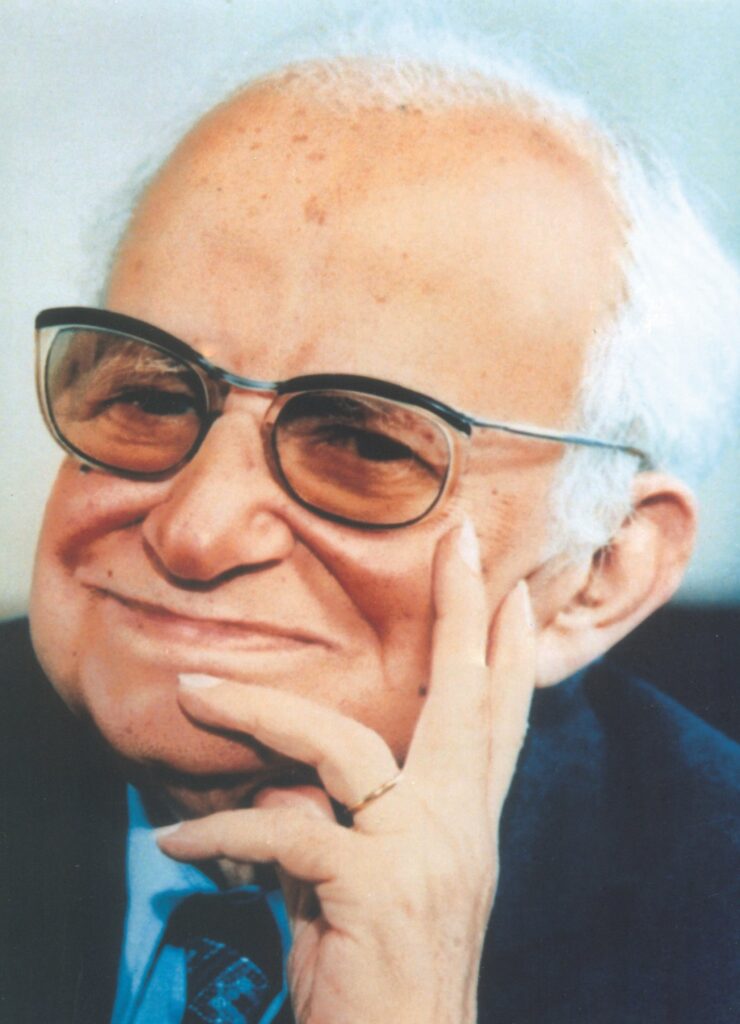
Haqqi explores the painful friction between the intellect and the soul, portraying Ismail’s journey from the arrogant rejection of his heritage to a more nuanced synthesis. The work focuses on a dilemma: Can a society embrace the tools of modern science without extinguishing the light of its own traditions? The “lamp” of the title becomes a glowing symbol of the sacred traditions that provide a community with its sense of belonging and healing, even when those traditions defy empirical logic. The novel illustrates the “migration of the soul”, a transformation often experienced by students who study abroad, particularly in the historical and cultural context of the time.
[Haqqi, Y. (1973) The saint’s Lamp and other Stories, tr. by M. M. Badawi, Arabic
Translation Series of The Journal of Arabic Literature, Vol. 2. Leiden, E. J.
Brill.]
Sources: