[ʿĀʾid ilā Ḥayfā]
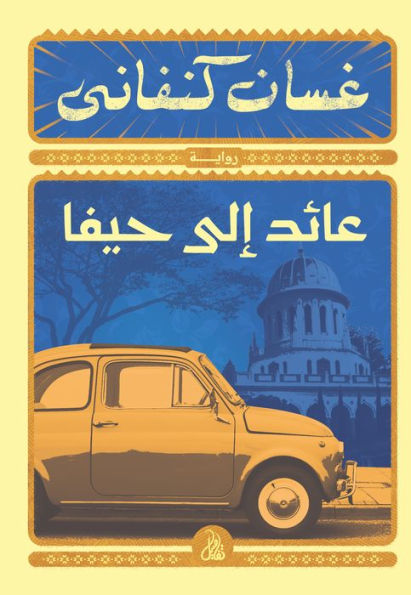
Returning to Haifa deals with core themes such as memory, identity, and the complex way in which “home” is conceived. The narrative follows Said and Safiyya, a Palestinian couple. After twenty years of exile, they take advantage of the newly opened borders to return to the home they were forced to flee in 1948. While they were leaving Haifa, they left behind their infant son, Khaldun, in the chaos of the Nakba. The emotional gravity of the novella becomes evident when they reach their old house and find it occupied by Miriam, a Holocaust survivor, and a young man named Dov. He is their lost son, raised as an Israeli soldier, unaware of his biological heritage. Kanafani creates a powerful dialogue about what truly defines “parenthood” and “belonging.” The house is the place where history, biology, and ideology collide: is a homeland defined by the past we remember, or the future we build?
[Kanafānī, G. (2000). Palestine’s Children. Returning to Haifa and other stories. Tr. by Barbara Harlow & Karen E. Riley. Lynne Rienner Publishers, Inc.]
Sources:
https://www.barnesandnoble.com/w/returning-to-haifa-ghassan-kanafani/1145905426
https://www.rienner.com/title/palestine_s_children_returning_to_haifa_and_other_stories