
[Riǧāl fī al-šams]
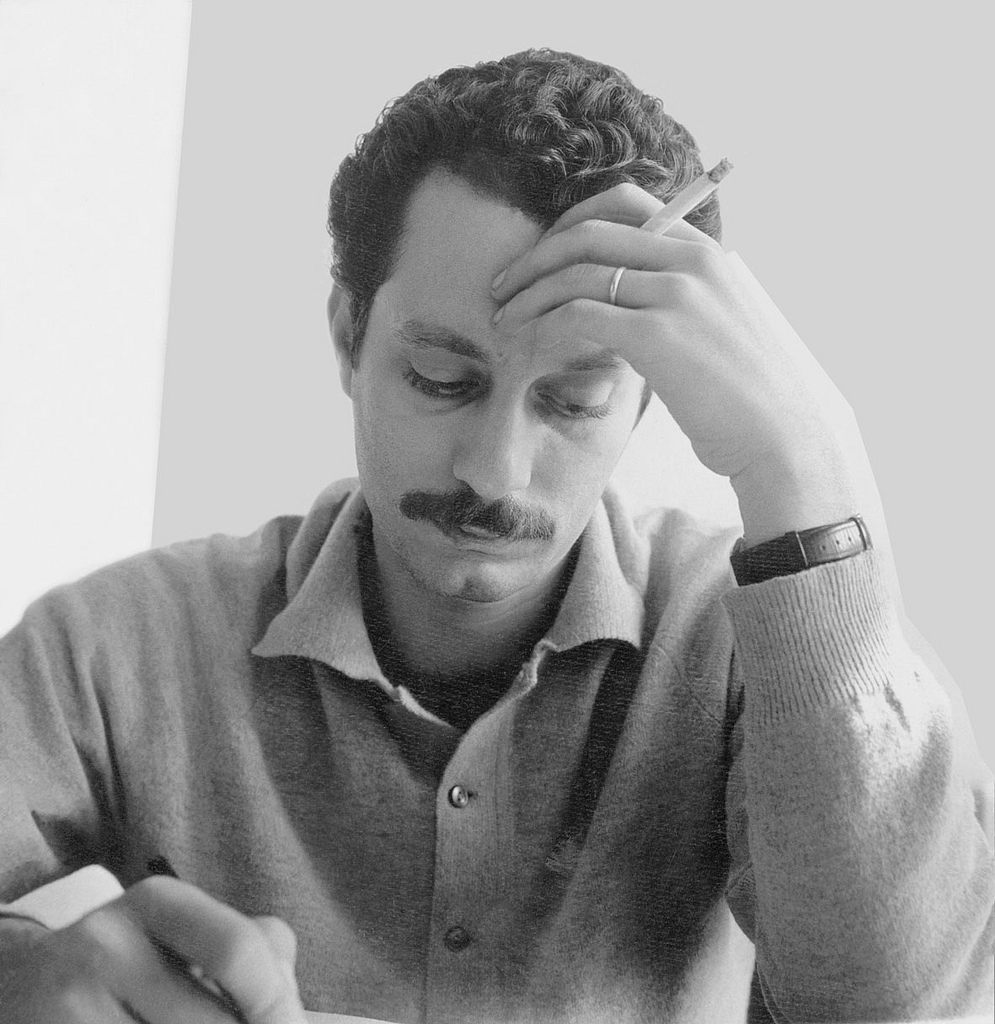
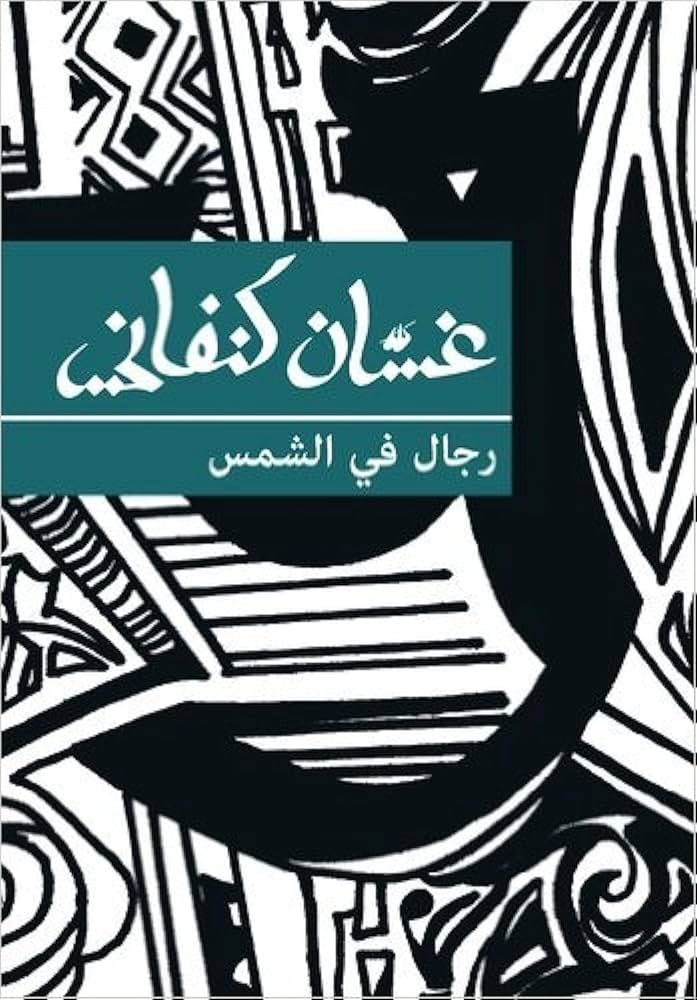
Published in 1963, this is a masterpiece of Palestinian literature that transformed a local struggle into a universal cry for human dignity. The story follows three men from different generations: Abu Qais, Assad, and Marwan. They are united by their desperation to escape the poverty of refugee camps. To find work in Kuwait, they agree to be smuggled across the border from Iraq, hidden inside a water tanker. Their journey is overseen by Abul Khaizuran. What makes this novella powerful is its use of the desert as both a literal setting and a psychological trap. Kanafani builds a sense of suffocating tension, where the relentless heat of the sun serves as a silent antagonist, stripping the men of their hope and agency. The tanker becomes a dark, airless metaphor for the political paralysis of the time: in particular, a space where voices are trapped and the promise of a better life is contained within a metal tomb. The silence of the ending serves as a profound indictment of both individual passivity and the world’s indifference.
[Kanafānī, G. (1984). Men in the Sun and other Palestinian Stories. Three Continents Press.]
Sources:
https://www.jstor.org/stable/48793971
https://www.goodreads.com/en/book/show/125251.Men_in_the_Sun_and_Other_Palestinian_Stories